Three Unfold app screens showing a conversation, a set of suggested next steps, and a reflection view.

Neurodivergent life is full of invisible obstacles. Unfold helps you navigate them, starting with how you feel.

Built by neurodivergent people, for neurodivergent people.

Join the waitlist →

Join free for early access to the closed beta

“I can want to do it. I can plan to do it. But then I sit down and find everything else to do instead of that thing.”

— an Unfold research participant

That’s what executive functioning difficulties look like. It’s not laziness, and it’s not a lack of effort.

Your brain just works in a different way.

Unfold helps in the moment you’re feeling stuck.

Not stuck as in disorganised. Stuck as in … you know what you need to do, you want to do it, and your capability to actually do it got lost somewhere in between.

I was feeling really anxious about the call, so I decided to open Unfold and see what’s up.”
— Anonymous alpha user

Unfold is an app you talk to, by typing or out loud, in whatever state you’re in. The app listens, makes sense of it with you, and helps you find one thing you can do next.

Unfold isn’t trying to fix you. There’s no ideal state it’s steering you toward, no assumptions about how you should be functioning. It builds a picture of you: your patterns, what’s helped before, where your edges are. And it meets you where you are.

  1. Unfold

    Say or type what’s going on. No structure required, just let it out.

  2. Be heard

    Unfold normalises, it doesn’t pathologise. You’re not broken, you’re stuck and overwhelmed, and that’s a different problem.

  3. Get clarity

    Untangle what’s actually going on and break it into pieces you can hold.

  4. Take one step

    One thing, at your pace. Not a plan. Not a system. One thing.

It helped me unravel all my parts of overwhelm and take it piece by piece.”
— Anonymous alpha user

In our alpha, that one step has looked like:

  • getting everyone out of the door
  • opening the file that had sat there for weeks
  • eating something
  • turning off the light that was wrecking the afternoon
  • making the call they’d been dreading

None of those are big shifts. And that’s the point.

Fourteen of sixteen alpha users have had at least one moment of getting unstuck. Some have had many. It’s early, and it’s just a small group, but it’s already working.

Why Unfold is different

Not a productivity app

Productivity apps assume the problem is your organisation skills, and that your organisation is neurotypical. They want lists, systems, and consistency. Unfold starts from wherever you actually are, and learns how you “do you”.

Unfold isn’t therapy

Coaching and therapy are expensive, hard to find, and rarely informed about how neurodivergent brains work. Unfold isn’t a replacement for therapy or coaching and won’t pretend to be, but it’s great for the times in between sessions.

Not generic AI

Mainstream AI tools will try to solve every problem you mention, including the ones you were only venting about tangentially. They’ll hand you advice built for a neurotypical brain, but they don’t notice. Unfold knows who it’s talking to.

You can be a bit hysterical at it and it just calmly ignores what didn’t matter.”
— Anonymous alpha user

It remembers you

No re-explaining yourself every time. Unfold remembers your challenges, the tools that help, and how you like to work, and keeps them across every conversation.

It works with the day you’re having

Some days you can write a paragraph. Some days three words is all there is. Unfold notices when things get harder and changes how it shows up, without you having to explain that too.

It feels like we’re working on it together — it’s helping me come to my own conclusions.”
— Anonymous alpha user

We built Unfold with a group of people who have told us what worked and what didn’t. Every part of this product is shaped with them.

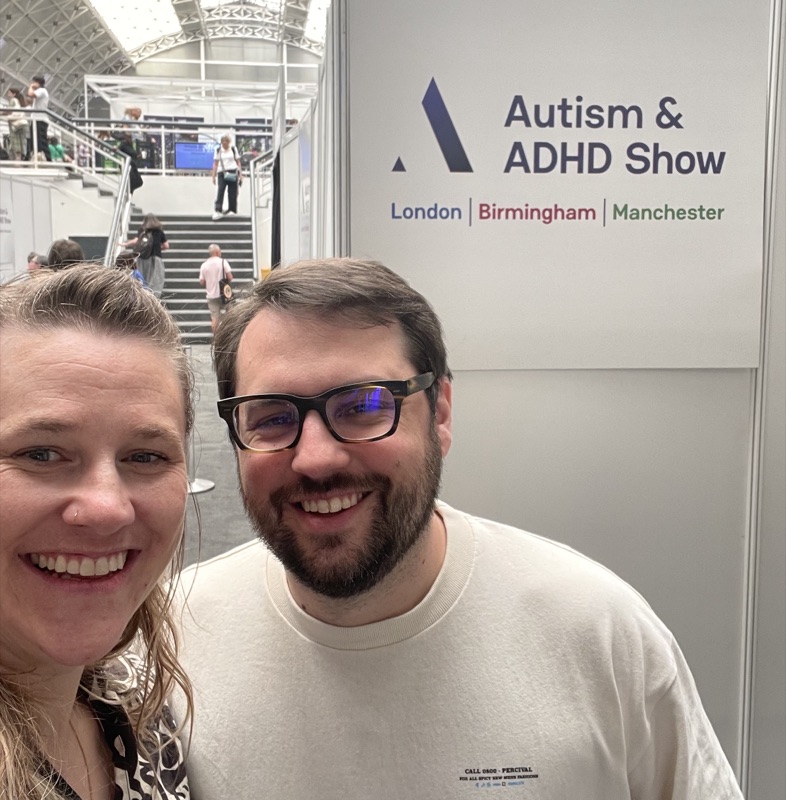
Meg and Jared at the Autism & ADHD Show

The closed beta opens soon. Join the waitlist and we’ll be in touch when it’s ready. Plus we might send the occasional note on what we’re building and what we’re learning.

We care about safety, privacy, and getting this right for a community that deserves better than another half-baked solution.

No spam. Updates only when we have something worth saying. Unsubscribe any time.

You can also join by emailing [email protected].

Built by neurodivergent people, for neurodivergent people

We’re not building the support we think you need. We’re building the support we needed and didn’t have. We’re building it from inside the experience, with a community of neurodivergent people shaping it as we go. Research that happens with us, not to us.

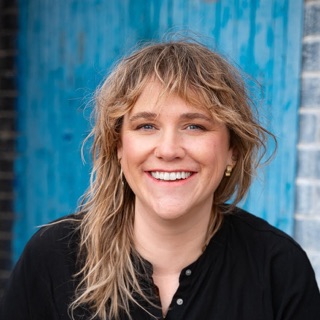
Meg Porter

Meg Porter — Founder & CPO

17 years in product, design and tech. AuDHD diagnosed.

“What I needed wasn’t a better calendar. It was to understand why I couldn’t start. I wanted tech that could support me in unpicking what a good day actually looks like for me, and gently move toward it — not to get there faster or get more done, but to feel better in myself and then reach for my potential.

There will always be an endless list of things people recommend to remedy what “ails” ADHD and AuDHD brains. A new app, a new framework, a new morning routine, a planner, or a nifty timer. And most of them share the same assumption underneath: that the problem is organisation. That if you could just structure yourself correctly, you’d be fine. Normal.

When I started talking to neurodivergent people about what I thought was missing from the tech built to support them, more and more of them agreed — they need something adaptive. Something that meets them where they are. Many of them said: I want that. When can I have it?

So we built it.”
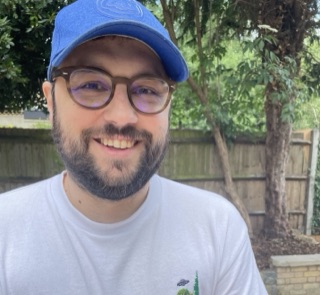
Jared Porter

Jared Porter — Co-founder & CTO

10+ years in AI/ML and startups.

“I’ve watched the people I love most navigate a world that wasn’t built for them — my partner, my children, my wider family. I’ve seen what it costs.

I’ve spent over a decade building AI systems. I know what this technology can do. And I know how rarely it’s been pointed at the people who need it most.

Building Unfold is the most important thing I’ve worked on, and not just for the reasons you’d expect. The privacy requirements alone push us into genuinely hard engineering: on-device processing, minimal data collection, transparent model behaviour. People will trust us with some of the most personal things in their lives, and we’re building a system that’s more accessible, more transparent, and more private – because trust matters most to the people who need this tech most – including the ones I love. They deserve tools that respect them as much as they support them.”